
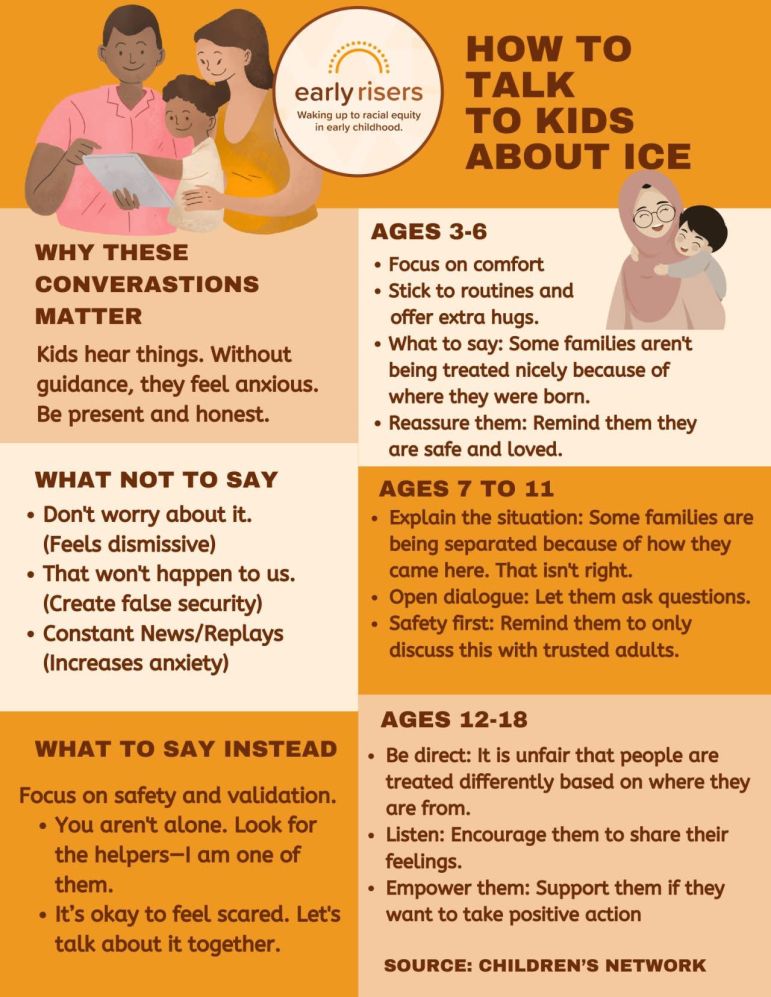
Young children are not immune to the political and social issues that are happening all around us. They hear headlines and snippets of conversations and are often left to make sense of confusing situations without proper guidance or facilitation. We at DEY believe it is important that we have age-appropriate conversations with young children so they can understand what is happening.
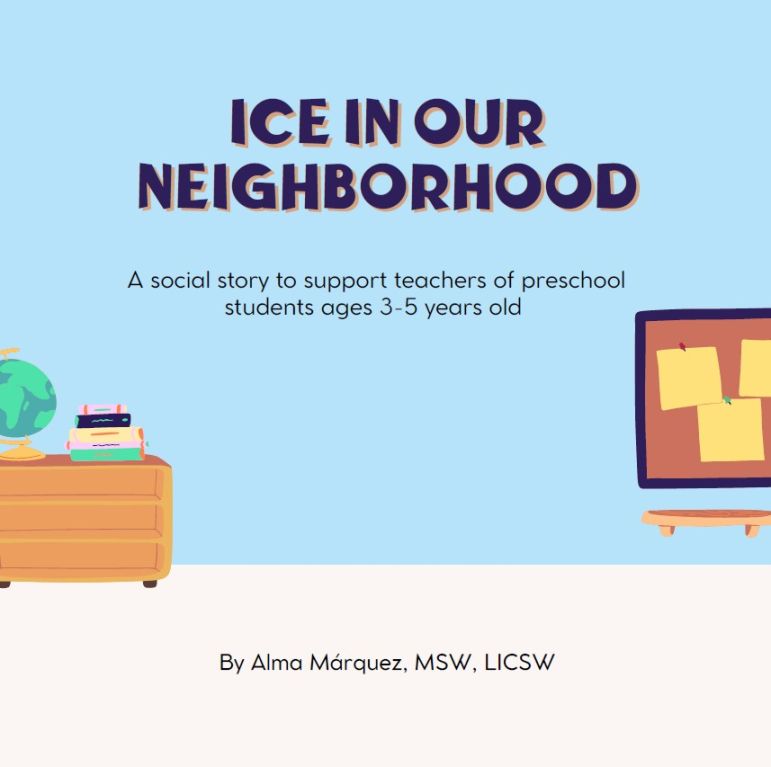
On this page, we are sharing resources to help you talk with young children about ICE (Immigration and Customs Enforcement) and police violence. We’re also including book recommendations for countering anti-immigrant sentiment and xenophobia. We hope you will find these resources helpful as you decide what to say to the young children in your life.
From NAMI (National Alliance for Mental Illness) Minnesota
Talking With Children About Violence In The News: Guidance For Parents And Caregivers
“On sorrowful days, many parents and caregivers are left holding difficult questions from their children—questions about violence, safety, and what they are seeing or hearing in the news. These conversations are never easy, especially when events feel close to home.
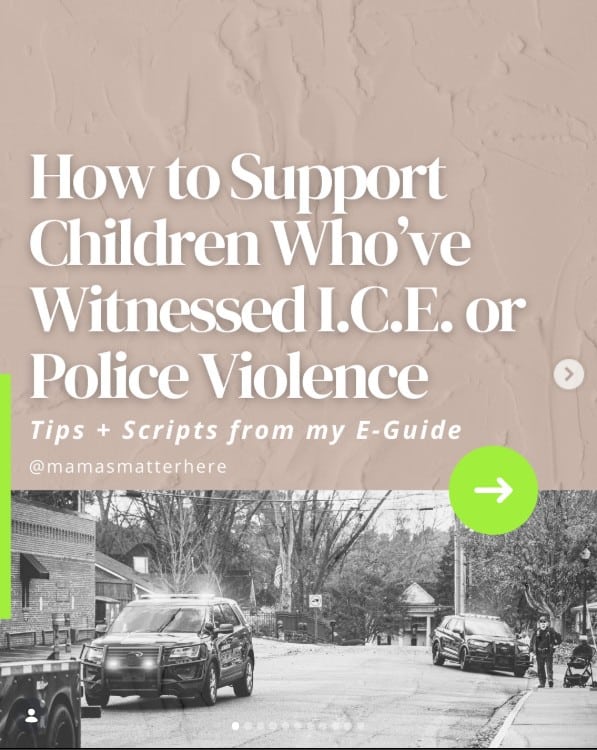
But Ayako, what about kids who are indirectly affected by ICE or police violence on TV/seeing the news??? Don’t worry, I’ve got them too 💞🫂
Kids are always listening and we also can’t control what they hear on tv, at school or on social media. It’s more important than ever to develop a relationship where they feel safe asking questions and sharing big feelings.
It can be hard to know what to say to our little ones when there is so much pain in the world. When you are able, check in with them. You know your child best, so only you can determine how much to share. Take what works for you and leave the rest. Find out how they’re doing, validate their feelings, and create space for them to share whatever is on their mind 🤍
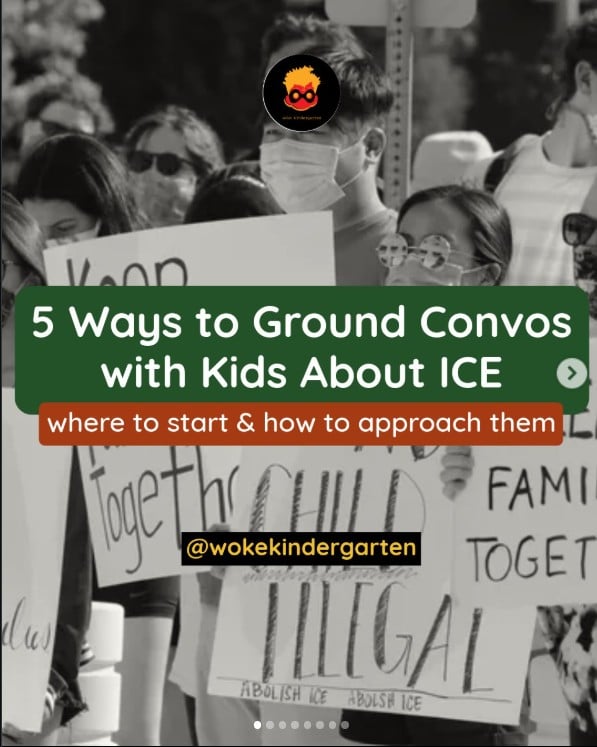
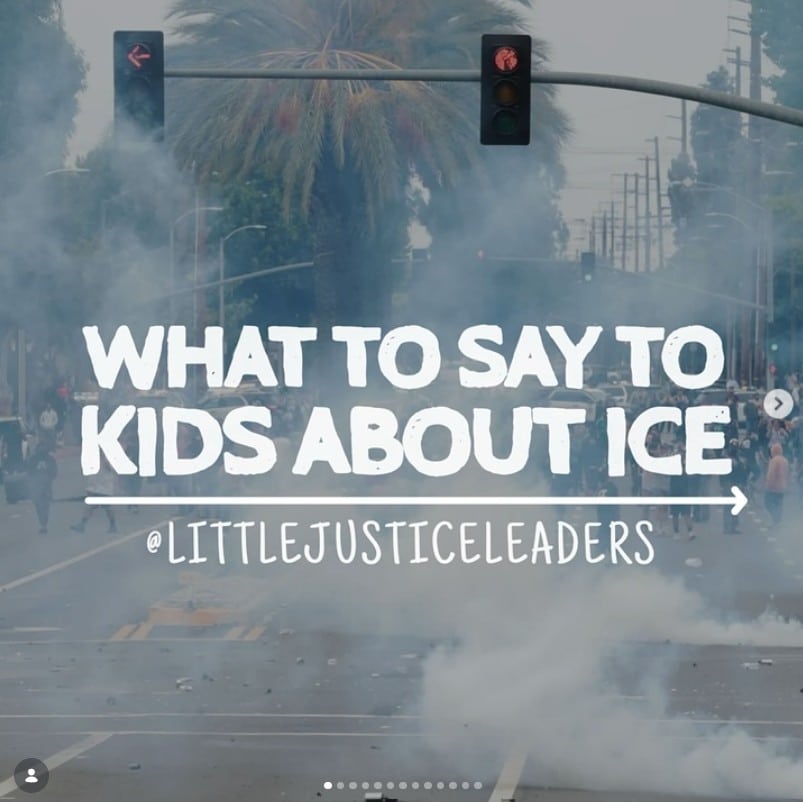
5 Ways to Ground Convos with Kids About ICE: where to start and how to approach them ✨
All over the so-called United States, our neighbors & loved ones are being violently kidnapped, disappeared, locked away and murdered by ICE agents with the complicity of the police and the support of the government. This offering provides some examples that might help you start or continue your conversations about ICE with your